Understanding BAS: A Simple Guide for New Business Owners
Everything you need to know about Business Activity Statements without the complex accounting jargon.

BAS — Business Activity Statement — is the quarterly form every GST-registered business in Australia has to submit. If you’re new to it, here’s the plain-English version.
Do I actually need to lodge a BAS?
You need to register for GST and lodge a BAS if:
- Your annual turnover is $75,000 or more (or $150,000 for non-profits)
- You drive a taxi or rideshare — any revenue, you must register
- You want to claim fuel tax credits
Below those thresholds, GST registration is optional. Sometimes voluntary registration makes sense (usually when you sell B2B); often it doesn’t (when your customers are consumers who can’t claim GST back).
What’s actually on the BAS?
Despite the scary form, three numbers do 80% of the work:
- G1 — Total sales for the quarter
- 1A — GST you’ve collected on those sales
- 1B — GST you’ve paid on business expenses (credits)
You pay the ATO the difference: 1A minus 1B. If 1B is higher than 1A (e.g. you bought expensive equipment this quarter), you get a refund.
The quarterly calendar
Standard quarterly lodgement dates:
- Q1 (Jul–Sep): due 28 October
- Q2 (Oct–Dec): due 28 February
- Q3 (Jan–Mar): due 28 April
- Q4 (Apr–Jun): due 28 July
If you lodge through a registered BAS agent, you get an extra four weeks on most deadlines.
The single most common BAS mistake
Claiming GST on expenses that don’t have GST on them. Rent on residential property, bank fees, insurance stamp duty, and wages all have no GST — but new business owners often code them as GST-inclusive by default. That overstates your 1B and under-pays the ATO.
Cloud accounting software helps, but it’s not foolproof. Every invoice needs a conscious coding decision.
BAS isn’t complicated once you’ve lodged two or three. The hard part is setting up your books so the numbers come out right automatically — not scrambling to reconcile three months of transactions on 27 October.
Got questions about your own books?
Book a free 30-minute call. No pitch, no pressure — just a straight conversation about whether I'm the right fit for your business.
Talk to LyviaKeep reading.
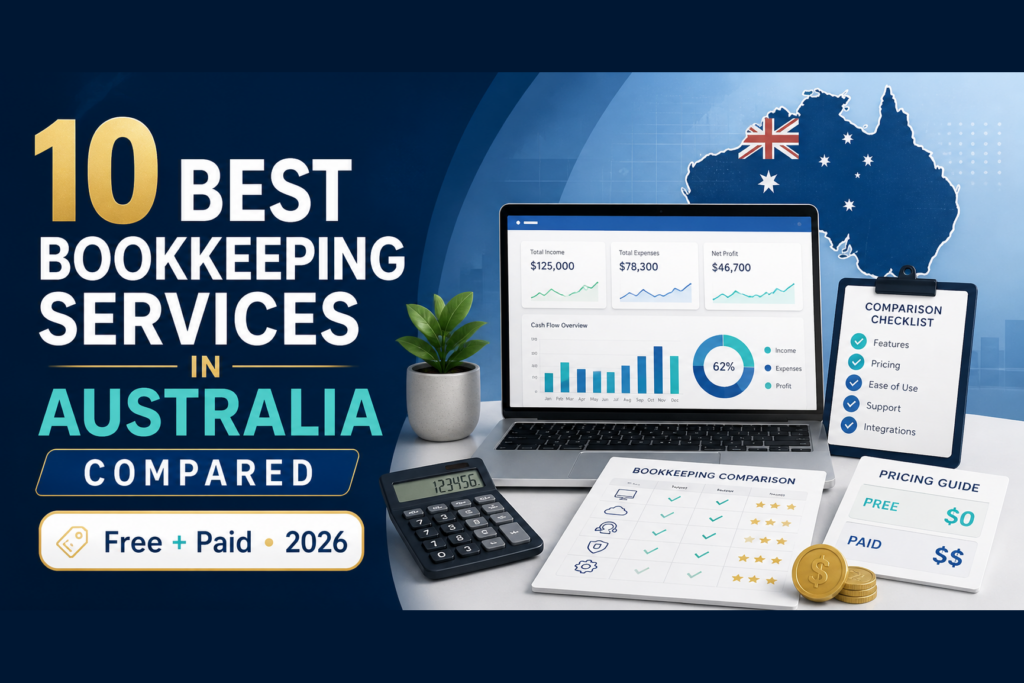
10 Best Bookkeeping Services in Australia Compared (Free + Paid, 2026)
Ten Australian bookkeeping services compared on TPB registration, pricing, software match, Payday Super readiness, and lock-in terms. Verified data, honest limitations, no paid placement.
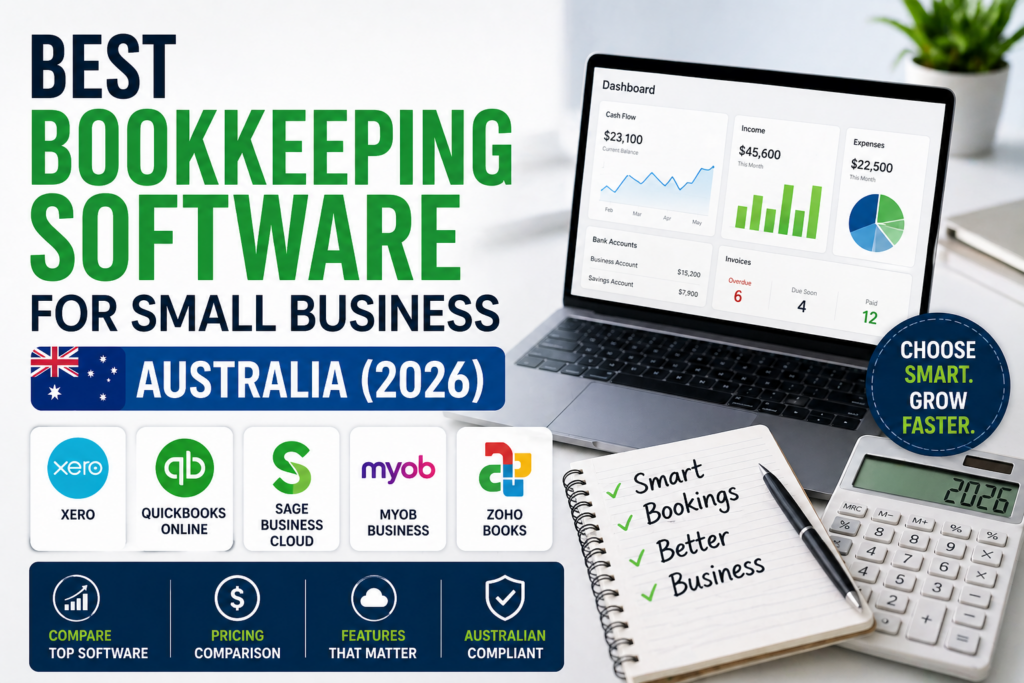
Best Bookkeeping Software for Small Business Australia (2026)
Table of Contents AI Overview Lead How to Choose the Right Bookkeeping Software (Decision Framework) The 8 Best Bookkeeping Software Platforms for Australian Small Businesses in 2026 Side-by-Side Comparison Table Best Bookkeeping Software for Specific Business Types Best Free Bookkeeping Software for Australian Small Businesses Best Bookkeeping Software for Self-Employed and Sole Traders Xero vs […]
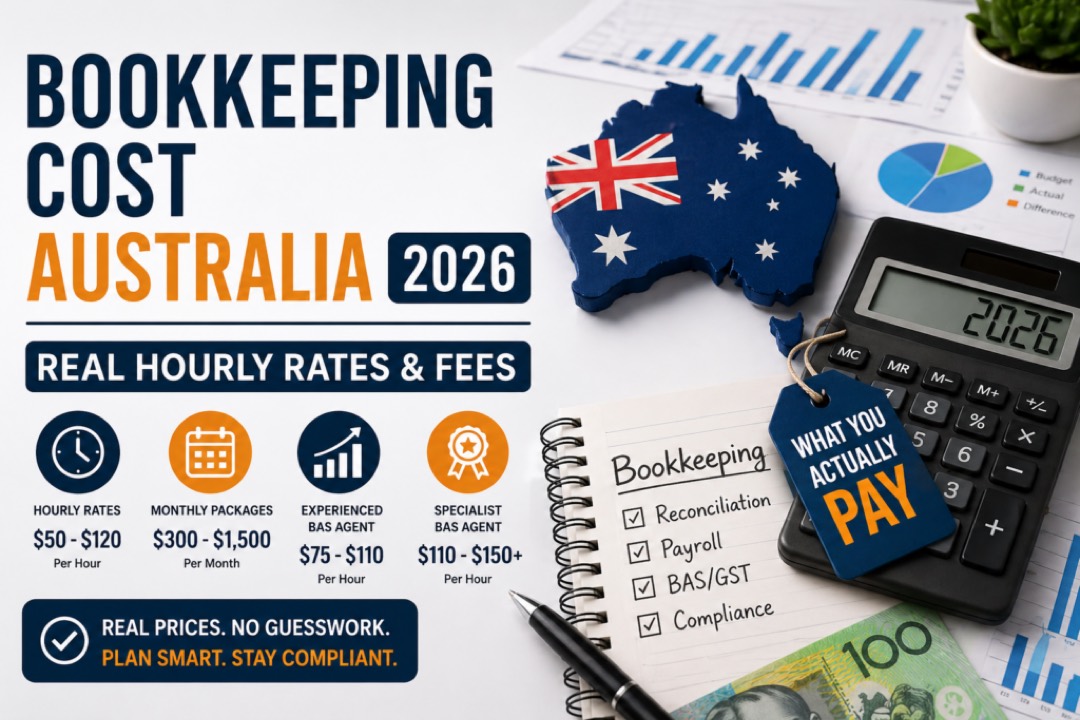
Ultimate Pricing Guide for Bookkeeping Cost Australia 2026: Real Hourly Rates & Fees

5 Common Bookkeeping Mistakes Melbourne Small Businesses Make
From mixing personal and business expenses to missing GST deadlines, these mistakes could be costing you.